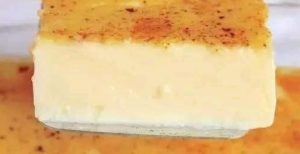

Egg custard is a classic dessert celebrated for its velvety texture and subtly sweet flavor. While it may seem simple—just eggs, milk, sugar, and vanilla—it can easily go wrong if not handled carefully. Overcooking leads to curdling, while undercooking gives a runny texture. This “Fail-Proof Egg Custard” method ensures creamy, smooth results every time.
Here’s how to make a perfect egg custard from scratch—step by step.
Ingredients:
2 cups (500 ml) whole milk (or half-and-half for richer custard)
3 large eggs
½ cup (100 g) granulated sugar
1 teaspoon pure vanilla extract
A pinch of salt
Ground nutmeg (optional, for garnish)
Equipment:
Medium saucepan
Mixing bowl
Whisk
Fine mesh strainer (for extra smoothness)
4 to 6 ramekins or a baking dish
Roasting pan (for water bath)
Oven
Step-by-Step Method:
Step 1: Preheat the Oven
Preheat your oven to 325°F (160°C). Place a kitchen towel in the bottom of a deep roasting pan and set aside—this helps keep the ramekins stable in the water bath later.
Step 2: Heat the Milk
Pour the milk into a medium saucepan and gently heat it over medium-low. Warm until it’s hot but not boiling—about 120–140°F (50–60°C). You’ll see tiny bubbles forming at the edges. Stir occasionally to avoid scorching.
Step 3: Whisk the Eggs and Sugar
In a large bowl, whisk together the eggs, sugar, salt, and vanilla until fully blended. You’re not trying to whip air in—just combine until smooth.
Step 4: Temper the Eggs
Here’s the critical step to avoid scrambled eggs! Slowly pour a little of the hot milk into the egg mixture while whisking constantly. This gradually warms the eggs without cooking them. Once combined, continue adding the rest of the milk in a steady stream while whisking.
Step 5: Strain for Smoothness
Pour the custard mixture through a fine mesh strainer into a clean bowl or large measuring cup. This removes any bits of cooked egg or shell and ensures a silky custard.
Step 6: Fill the Ramekins
Divide the custard mixture evenly among 4 to 6 ramekins. Place them in the towel-lined roasting pan. Carefully pour hot water (from a kettle) into the pan around the ramekins, about halfway up their sides. This water bath, or bain-marie, ensures even and gentle cooking.
Step 7: Bake Gently
Place the pan in the preheated oven and bake for 30–40 minutes. The custard is done when the edges are set but the centers still jiggle slightly when gently shaken. Don’t overbake—the custard will continue to cook slightly after removal.
Step 8: Cool and Chill
Remove ramekins from the water bath and let them cool on a wire rack. Once room temperature, cover and refrigerate for at least 2 hours, or until fully chilled and set.
Step 9: Garnish and Serve
Before serving, sprinkle a pinch of ground nutmeg on top for a traditional touch. Serve plain, or with berries, caramel, or a dusting of cinnamon.
✨ Tips for Success:
Always temper the eggs slowly—this is the number one way to prevent curdling.
Use fresh, good-quality eggs and milk for the best flavor.
Whole milk creates a nice balance, but for ultra-luxurious custard, use half-and-half or a splash of cream.
A thermometer helps: pull them at 170–175°F (77–80°C) internal temp for perfection.
- Enjoy!